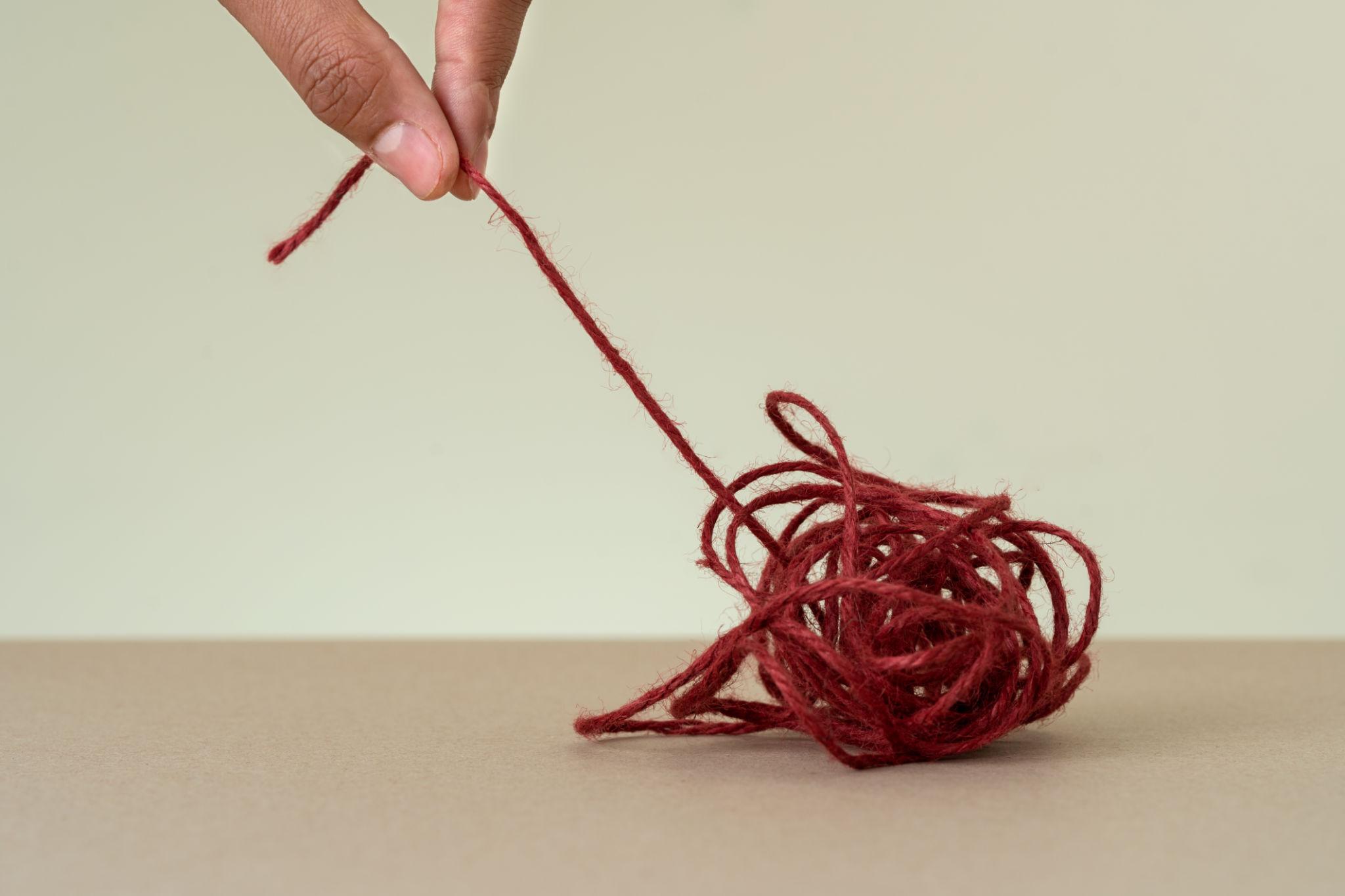

Most people cope. That’s not the question. The question is how.
When life gets difficult — when pressure builds, when things don’t go to plan, when uncomfortable thoughts and feelings arise — everyone finds a way to get through it. Some go for a run. Some reach for their phone. Some stay busy, pour a drink, vent to a friend, or simply push it down and carry on. Most people wouldn’t describe any of these as coping strategies. They’d just call it getting by.
That’s exactly the point.
Coping, in the way most people understand it, is reactive. Something difficult happens, and you find a way to manage the discomfort you experience in response to it. The focus is on getting through the moment — on reducing the feeling as quickly and as effectively as possible. Whether that works or not, whether the method is helpful or not, is secondary. The goal is relief.
What most people haven’t been shown is that the method is the difference between developing, personal agency, and standing still, weakening personal agency..
When you consistently turn to external sources to manage difficult thoughts and feelings — whether that’s staying busy, seeking reassurance, using substances, avoiding situations, or relying on others to regulate how you feel — you get short-term relief. What you also get, every single time, is a reinforcement of the belief that you need something external to cope. That belief, repeated often enough, affects how you respond to and experience life. It shapes how you approach difficulty, how you interpret pressure, and how much confidence you have in your own capacity to manage your inner world.
That’s coping efficacy — your belief in your capacity to manage difficult thoughts, feelings, and emotional discomfort from within. It is one of the most significant psychological components in determining the quality of your experience of life.
People with strong internal coping efficacy don’t just get through difficult periods. They do so without the anxiety, avoidance, and emotional volatility that comes with relying on external mechanisms. They trust themselves to manage what arises. That trust doesn’t come from positive thinking or willpower — it comes from having developed the internal belief and capacity to sit with discomfort, process it internally, and respond with intention rather than reaction.
Importantly, people with weak coping efficacy aren’t less capable as people. They simply haven’t developed that internal resource, so they rely on what works in the short term. In doing so, they stay stuck in behaviours that promote external reliance, which acts as a barrier to internal coping development.
The most common external coping strategies I encounter are things most people wouldn’t even recognise as coping at all. Staying constantly busy to avoid sitting with difficult thoughts. Seeking reassurance from others before making decisions. Scrolling, drinking, overeating, overtraining — all used, whether consciously or not, to regulate emotional discomfort from the outside rather than from within. Going for a run to clear the head rather than developing the capacity to clear it without the run.
None of these are wrong in isolation. The question is whether they are being used as the primary means of managing your inner world — and what that means for your belief in your own capacity to cope.
Building internal coping capacity changes everything. It doesn’t mean stopping all external coping strategies. It means developing the internal belief and skill that you can manage difficult thoughts and feelings from within — so that when you choose to go for a run, you’re choosing it, not depending on it.
That’s the difference between external coping which weakens personal agency and internal coping which strengthens personal agency. One gets you through the day. The other builds belief and skills that you will use again and again.